Our History
A legacy of education since 1901
Challenges in 1901
In the second half of 1901 it became clear that the problems which the missionaries were going to face in the near future were the following:
- The opposition to the (re)establishment of parochial schools and the emergencies of a religious public school system;
- Municipal interference with marriage procedure;
- Municipal claims a church-owned cemeteries and even church buildings and rectories.
Parish Education Before 1901
Up to 1899 the school for boys and that for girls had been a parish institute as was the case almost everywhere. For the education of the girls, the Jesuits had brought in a community of ‘Beaterio’ Sister (now RVM) to Butuan, but they returned to Manila after the imprisonment of the missionaries. With all the national and local tensions, the schools had been at the standstill for nearly two years. When Fr. Urios arrived in Surigao on his way to Butuan in February, 1901, he, Fr. Parache and Fr. Heras had a conference in Surigao to assess the situation in the district and inform the Manila superior of their opinion
Struggles and Reopening of Schools
They were, of course, not the only ones to see the importance of re-opening the schools. It was also one of the main concerns of the American administration of the archipelago. Like in many places of the Philippines, also in Butuan and Cabadbaran, the interests of the Church and State authorities were to lead to very unpleasant opposition and clashes. It is true that by the law, parents were granted the freedom to enroll their children in schools of their own choice.
While we know that Fr. Matias Roure re-opened the catholic school in 1903, an undated manifest signed “Los Catolicos de Cabadbaran” can be found in the Sant Cugat Archives. The manifest witnessed the indignation of Catholic parents to the education of their children. It was addressed to Governor Garcia of Surigao, ‘We, the Catholics of Cabadbaran, inform you that since the establishment of the Catholic school here, we are being deprived of our total freedom which the law of the United States grants us in matters of religion, as the Colonel of the Filipino milicia stationed here had told us.
Beginnings of Catholic Schools
These are the predecessors of our Catholic schools today! We clearly see the beginnings of the public school system. And here in Cabadbaran, it is clear that while a resident priest was assigned here only in 1913, before that there was a school, a convent and a church. This earned Cabadbaran the title ‘este famoso pueblo!’. If they dared to open the school while still a ‘visita’ of Butuan parish, they would not stop supporting it in face of overwhelming odds. They would even more be unstoppable once a resident priest was assigned and they were given the privilege of being a full-pledge parish in 1913. It is needless to go into details how things transpired from thereon. It is enough that we would have a look at what the new priests (Dutch Missionaries of the Sacred Heart) would do one they took over in 1935 from the Spanish Jesuits.
Establishment of Candelaria Institute
The Candelaria Institute (original name: Cabadbaran Parochial School) was establish by the Bishop of Surigao in the Parish of Cabadbaran in June 1935. It existed for many years as an Elementary School with emphasis on Religious Instructions and other academic subjects.
Catholic School History and Parish Ties
History of Cabadbaran Parish even tells us that Fr. Matias had reopened the Catholic school in 1903. During the years 1901 and 1902 there were three (3) priests working in Agusan with residence at Butuan: Fr. Saturnino Urios, Fr. Bernardino Llobera and Fr. Matias Roure. From 1901 till 1916, the priest at Butuan was Fr. Urios. Cabadbaran Parish celebrated its 75th Anniversary last November 7, 1913 when the first baptism of two children: Quiteria Miseona and Irene Mabaso, was entered in our oldest baptismal book. These two children were baptized by. Fr. Jose España, S.J., and the first parish priest of Cabadbaran.
These tidbits of information imply that the school already existed long before the creation of the parish. The parish priest usually runs the school. The school is the educational arm of the parish and us evangelization efforts.
Legal Establishment and Leadership
The incorporation paper of the Cabadbaran Parochial School was signed on February 2, 1938, forming a non-stock corporation to establish, open and conduct classes in the Elementary course as prescribed by the Bureau of Privates Education including a Kindergarten course. The school was under the direct control, supervision and management of Rev. Cornelius van de Loo, MSC. The copy of the Articles of Incorporation was registered on February 14, 1938 and on March 22, 1948; there was reconstruction of records of the corporation paper. The duration of this non-stock corporation was 25 years with the following trustees for the first ten (10) years:
- Rev. Martin Fransen, MSC
- Rev. Rudolf van Es, MSC
- Rev. John Ruijter, MSC
- Rev. Vicente Celeste, MSC
- Rev. Cornelius van de Loo, MSC
Secondary and Technical Education Expansion
Candelaria Institute Secondary School was established under Republic Act No. 74. Classes officially opened in June 1946 under permit. She was given with Recognition on May 1, 1950 with Government Recognition No. 54 Series of 1950 for complete Academic Secondary Course (Day).
The school site of one hectare is the sole property of the parish of Cabadbaran Catholic Rectory. Other parts of the site are used for the church building and the convent.
In 1946, it was a lone-story building, an extension of the priest convent. Presently, it is a three-story building housing the classrooms, science laboratories and library halls, rooms, offices, canteen and stock rooms.
TVET Programs
In 2008, the technical department was created in order to provide skills training to individuals and the community whose desire is to acquire skills needed for employment and cope with the demands of the present time. The board of trustees was determined to pursue and approve the opening of the following courses upon the approval of TESDA:
- Shielded Metal Arc Welding NC II
- Computer Hardware Servicing NC II
- Visual Graphic Design NC III
- Gas Metal Arc Welding NC I and II
- Driving NC II
In 2017, the board of trustees approved additional courses to be opened, namely:
- Computer System Servicing NC II
- Bookkeeping NC III
- Bread and Pastry Production NC II
- SMAW NC I and III
In 2019, the school applied to TESDA for the Bread and Pastry Production NC II, Bookkeeping NC III, and SMAW I course as assessment centers.
College Department
The College Department was established in 2011 and received government recognition in 2014. It offers only one program, the Bachelor of Secondary Education (BSEd) major in Social Studies and English. It has the lowest tuition fee among the schools, allowing students to enroll at very low costs. Enrollment has always been slow due to the presence of established universities and colleges in the city and neighboring cities and towns. Most of our students come from the city's barangays and neighboring towns and are graduates of public schools. Some of them are working students who rely solely on government financial assistance.

Our Founding Fathers
The founding of Cabadbaran Parochial School, later known as Candelaria Institute, is rooted in the missionary zeal and educational vision of Spanish Jesuit missionaries and Dutch Missionaries of the Sacred Heart (MSC). These pioneers overcame political, religious, and logistical challenges to bring faith-based education to Cabadbaran.
Fr. Matias Roure, S.J., a Spanish Jesuit, reopened the Catholic school in 1903 amid post-war tensions. Fr. Saturnino Urios, S.J., supervised the Agusan mission from Butuan and lent vital support to educational efforts in the region. In 1913, Fr. Jose España, S.J. became the first parish priest of Cabadbaran, stabilizing the parish and supporting the school’s growth.
In 1935, the Dutch MSC missionaries, led by Rev. Cornelius van de Loo, MSC, formally incorporated the school as Cabadbaran Parochial School. He was joined by founding trustees Rev. Martin Fransen, MSC, Rev. Rudolf van Es, MSC, Rev. John Ruijter, MSC, and Rev. Vicente Celeste, MSC in 1938. Together, they established and expanded the elementary and kindergarten departments.
These founders were more than administrators—they were educators, spiritual leaders, and community builders. Their legacy continues to shape the mission and identity of Candelaria Institute through their unwavering commitment to Catholic education.
The Old Days
Our students shine beyond the classroom through various clubs, leadership opportunities, service projects, and fun events throughout the year.
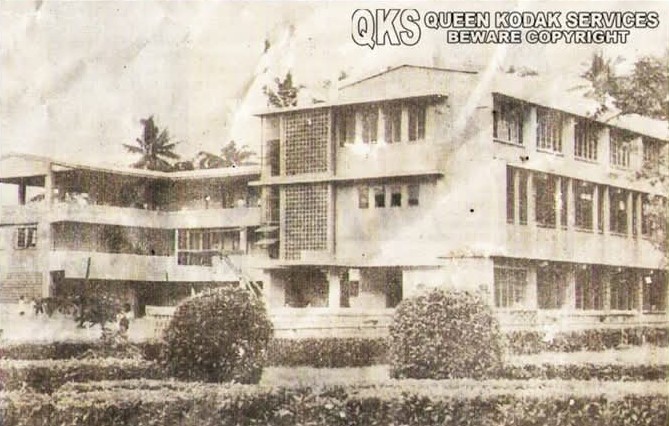
Old Building
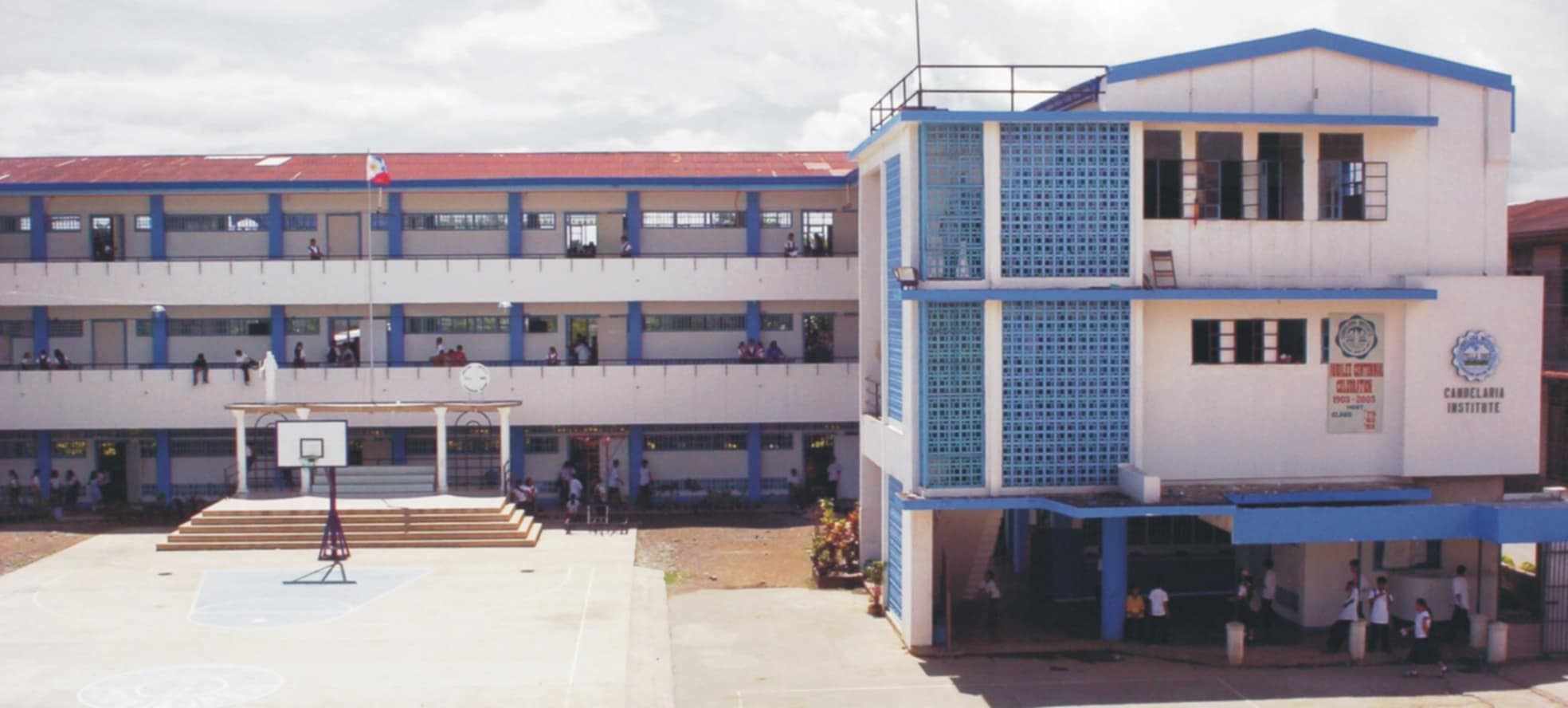
Renovated Building
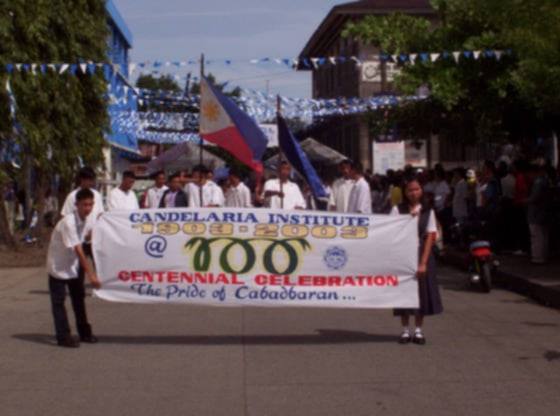
Celebrating 100 Years
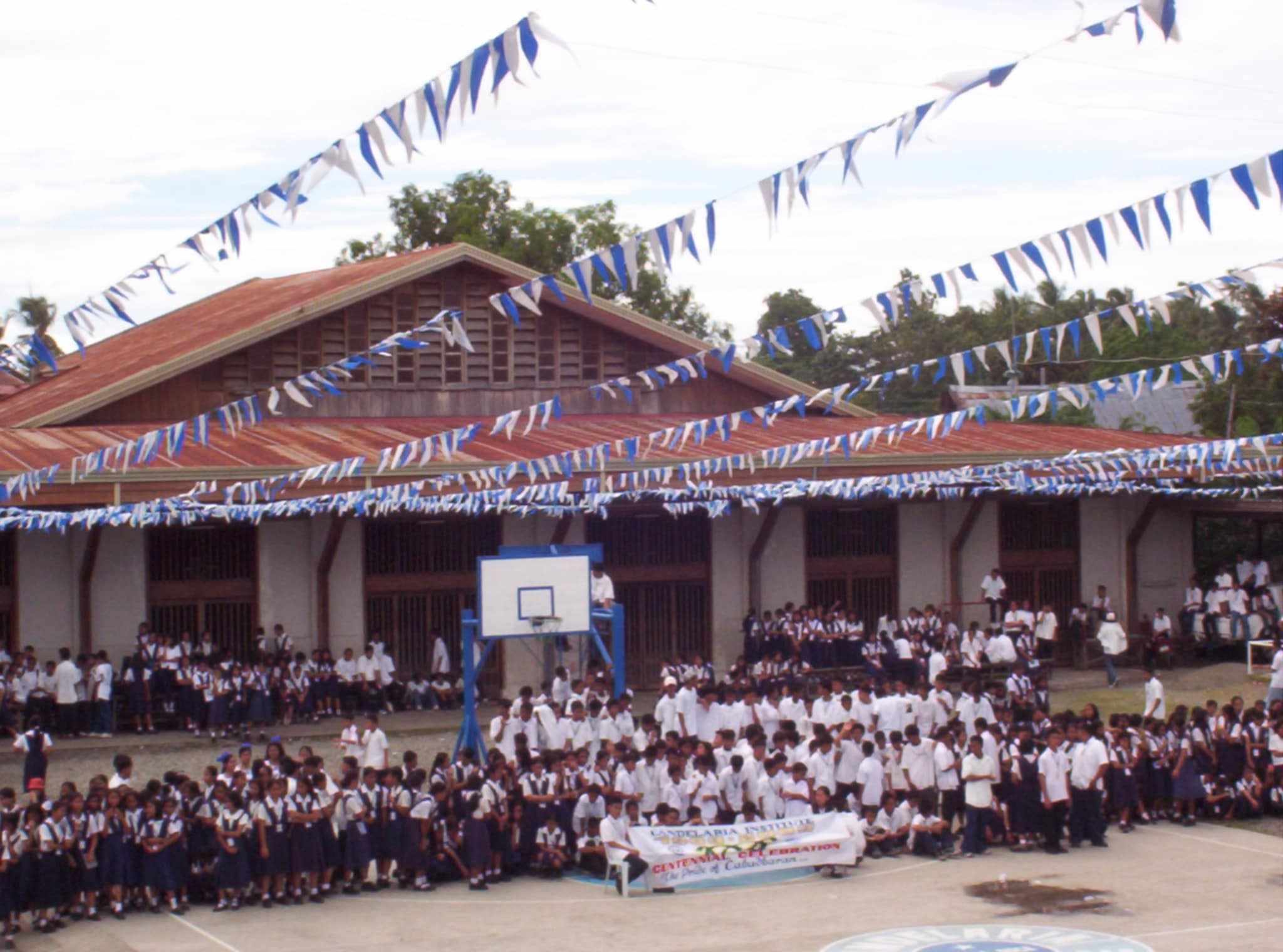
Celebrating 100 Years
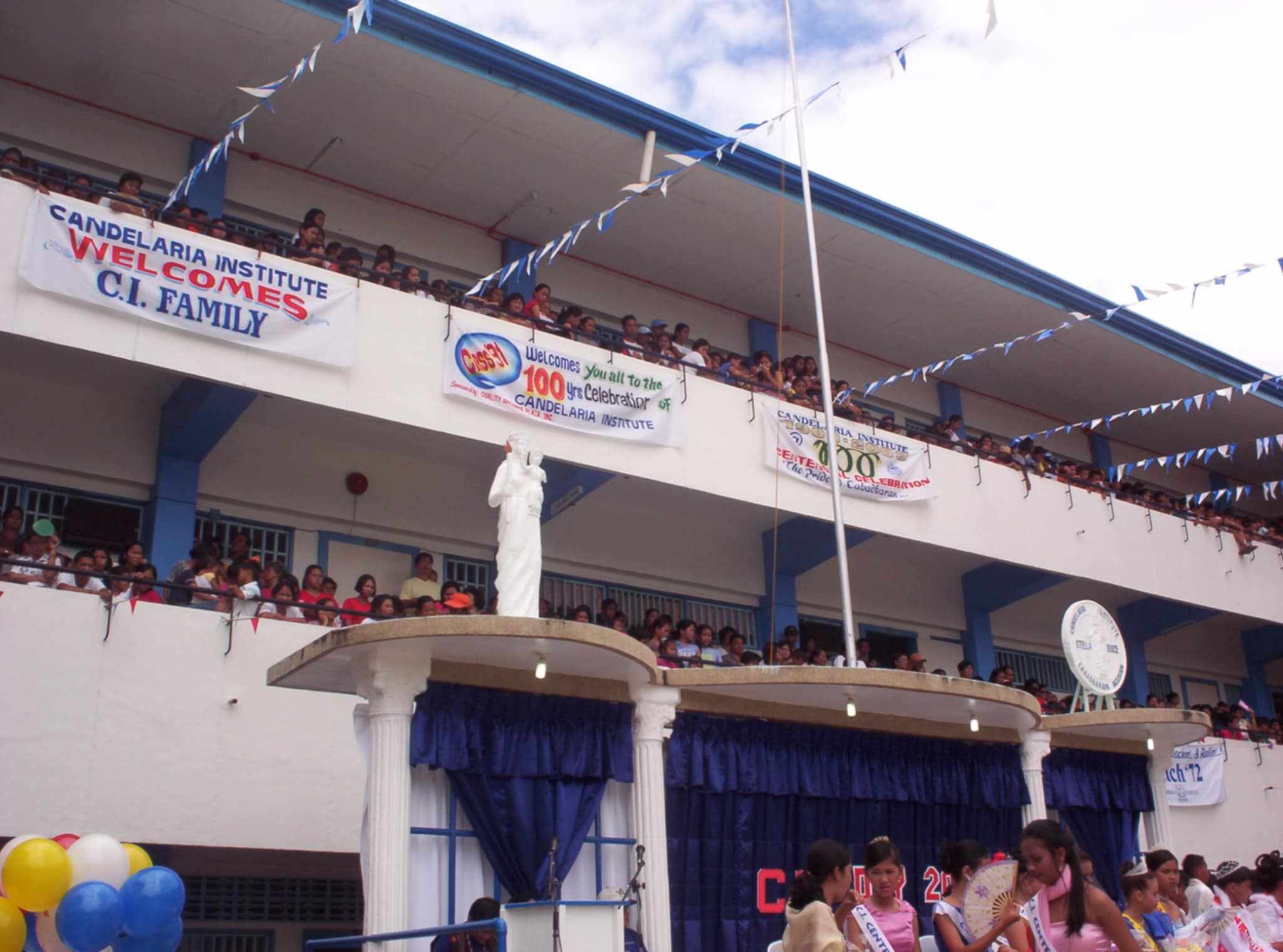
Celebrating 100 Years
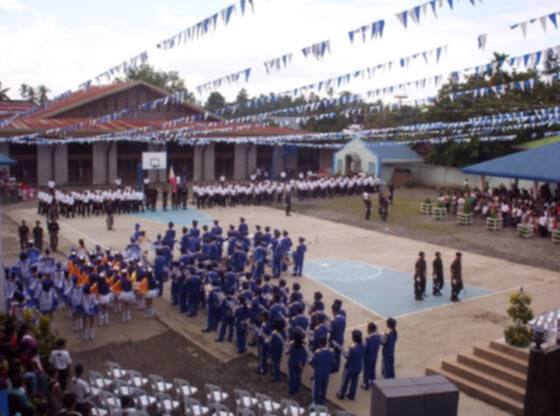
Celebrating 100 Years
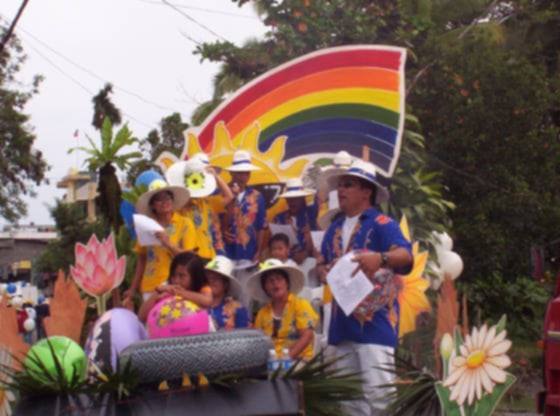
Celebrating 100 Years
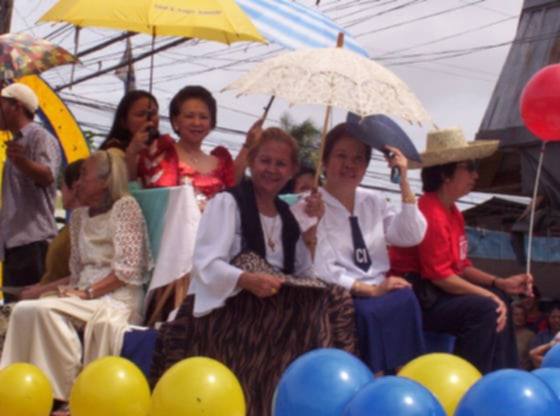
Celebrating 100 Years
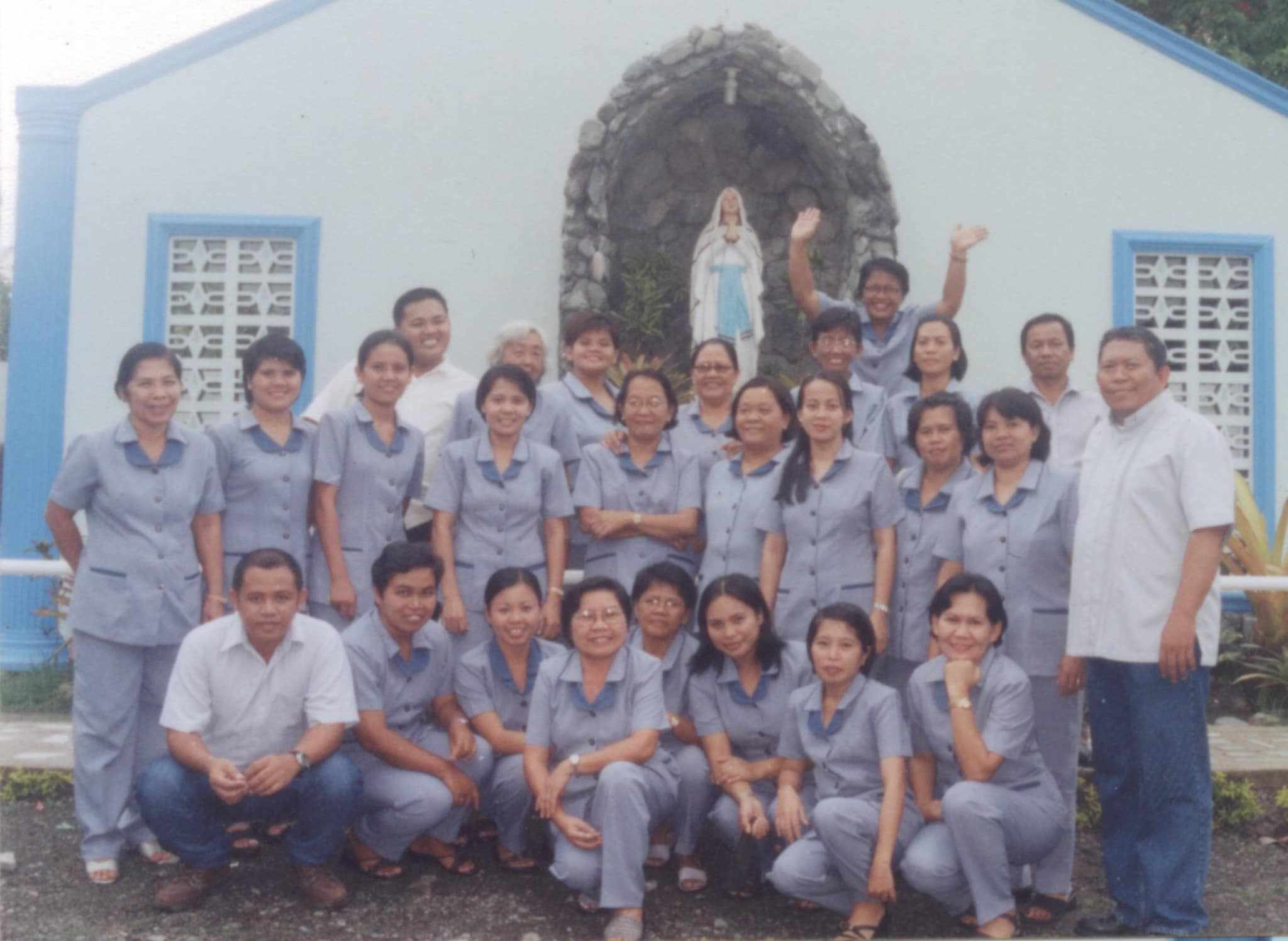
Teachers of CI
School Directors Through the Years
Candelaria Institute's has been blessed with dedicated leaders who have guided our school through decades of growth and change.
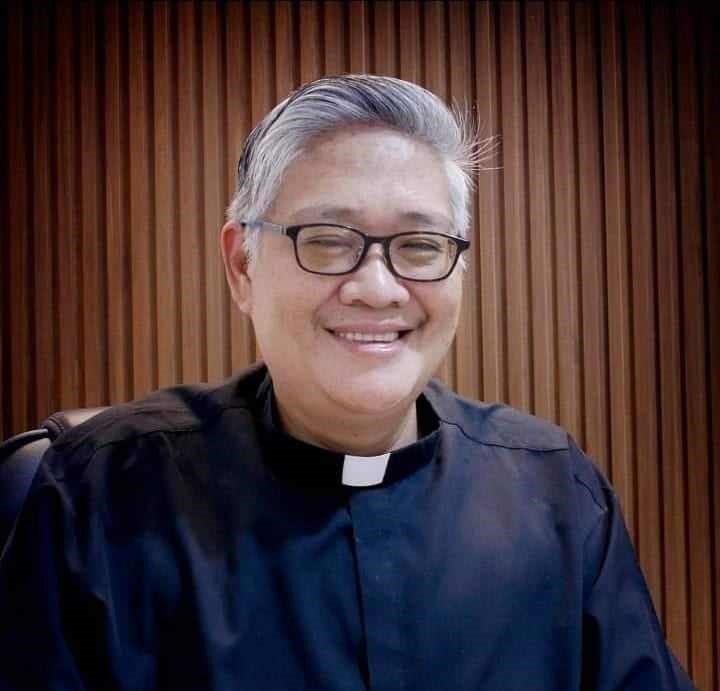
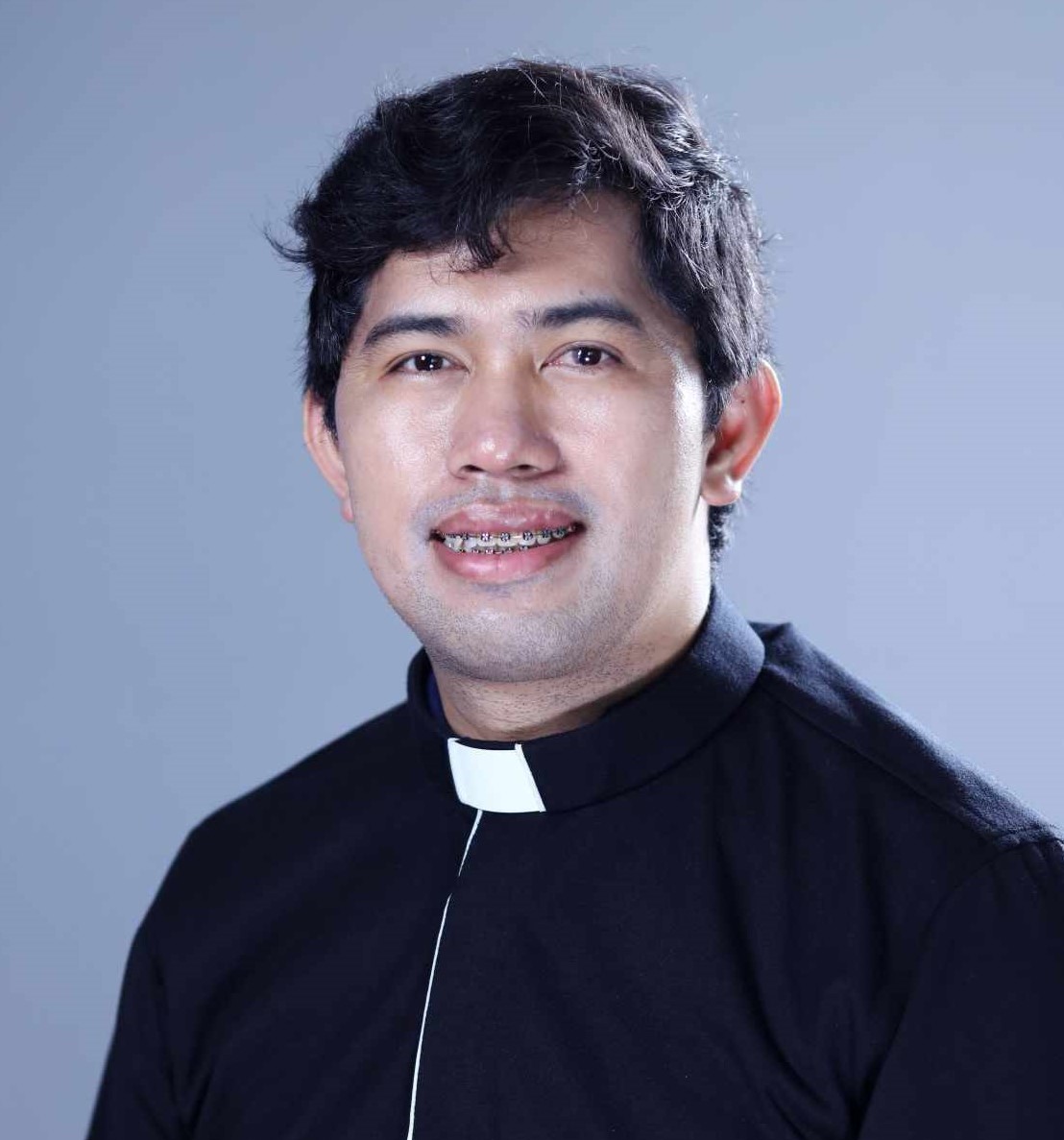
Rev. Fr. Marlon A. Lacal
November 2023 - Present
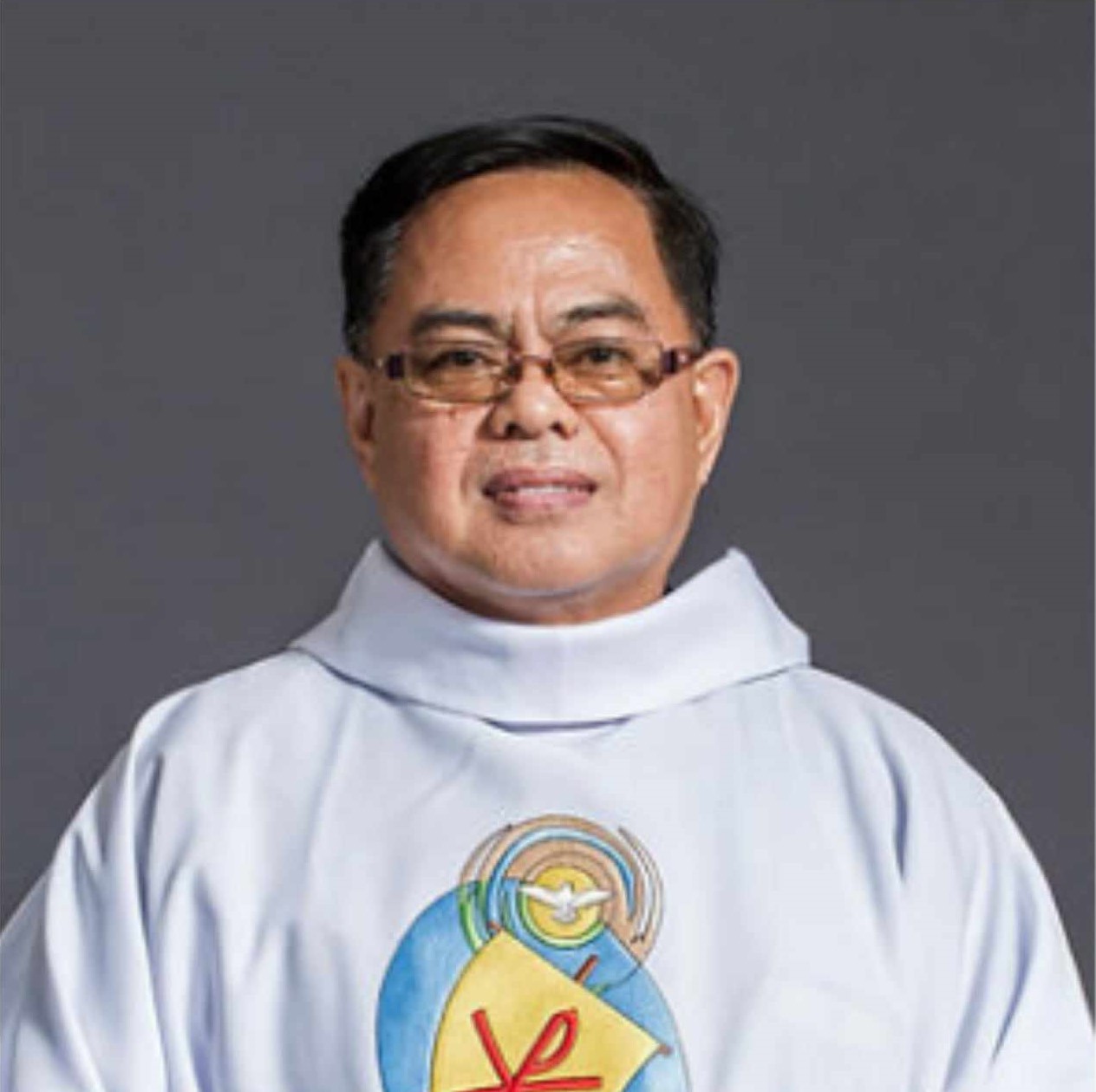
Rev. Fr. Mart James C. Presillas
June - November 2023
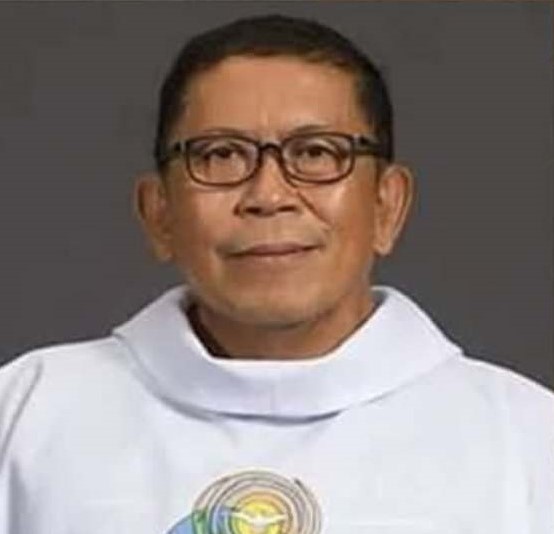
Rev. Msgr. Porfirio C. Colon Jr.
June 2007 - May 2023
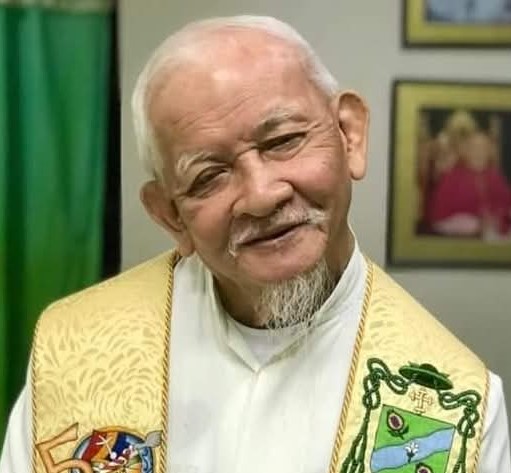
Msgr. Marcelino J. Caldoza
2001 - 2006
Rev. Fr. Isaac Manuel "Boboc" V. Moran
1974 - 2001
Campus Evolution
Over the decades, our campus has grown and evolved to meet the changing needs of our students and educational programs.
The Original Building: A Symbol of Faith and Perseverance
The original structure of Candelaria Institute, once known as Cabadbaran Parochial School, stood as a humble yet powerful symbol of the missionaries’ devotion to Catholic education. Built under the pioneering efforts of Spanish Jesuit missionaries like Fr. Matias Roure, S.J., and strengthened by the leadership of Fr. Jose España, S.J., the early buildings provided a safe space for learning during a time of political unrest and anti-clerical sentiment. Later expanded under the Dutch MSC missionaries in 1938, these early facilities—simple in form but strong in purpose—served as the foundation for nurturing generations of morally grounded and academically prepared youth in Cabadbaran.
The New Building: A Testament to Growth and Vision
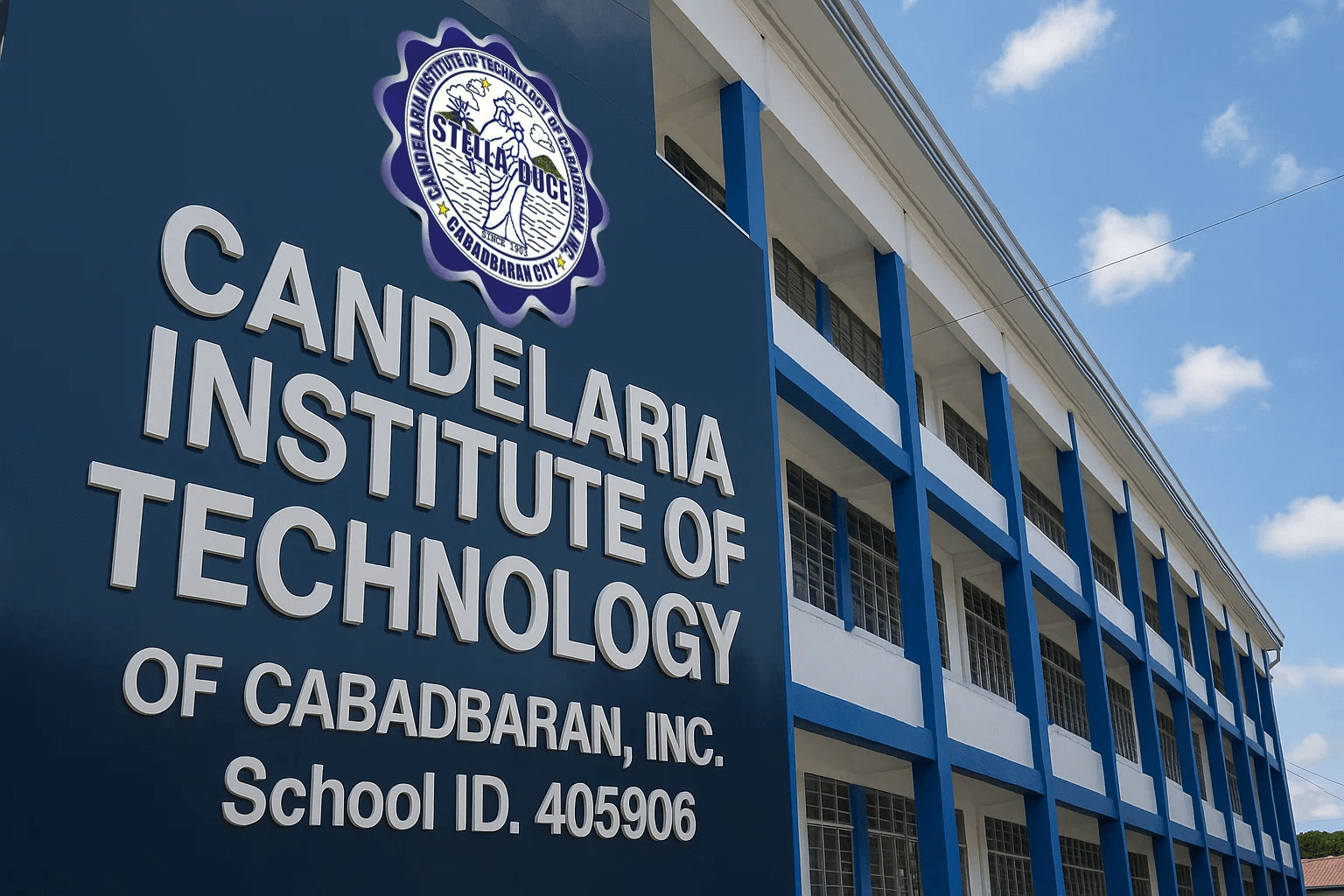
Today, Candelaria Institute’s new facilities reflect the school’s continuing evolution and commitment to excellence. Modern classrooms, upgraded infrastructure, and enhanced learning environments now support a growing student population, while still preserving the spiritual values embedded by its founders. The new building represents not just physical development, but a renewed dedication to delivering quality Catholic education—anchored in tradition, yet forward-looking in vision.
Ready to Join Our Community?
We invite you to take the next step in providing your child with an exceptional Catholic education. Contact our Admissions Office to schedule a tour or apply today.